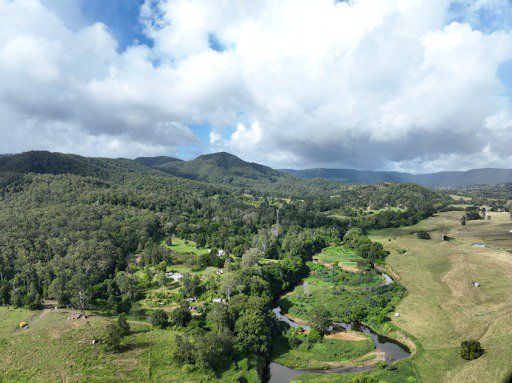
Following a pre-start meeting on 24 April 2026, civil works officially got underway in early May at the Obi Obi S2 rehabilitation site along Obi Obi Creek, a tributary of the Mary River.
The project is part of the Landscape Repair Program (LRP), a collaborative initiative led by the Burnett Mary Regional Group (BMRG) alongside local landholders, Traditional Owners, environmental organisations and industry partners, all working together to restore and protect this important waterway.
Obi Obi S2 has been identified as a high-priority rehabilitation site due to severe streambank erosion and its significant ecological value. The creek supports several threatened species, including the critically endangered white-throated snapping turtle and Mary River turtle, as well as the endangered Mary River cod.
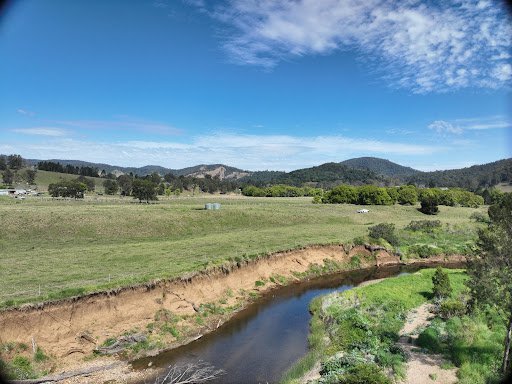
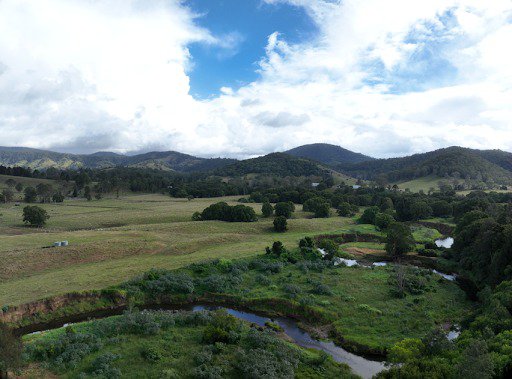
Stretching across three properties and approximately 3.8 kilometres of creekline, the reach includes some healthy sections of riparian habitat, but there are also large gaps where vegetation loss has left the banks exposed and unstable. In these areas, steep undercut banks and ongoing erosion are contributing to sediment movement into the waterway, impacting water quality and aquatic habitat.
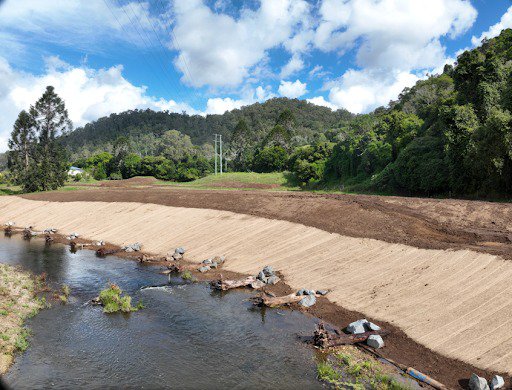
The first of the three project sites has already seen major progress, with a streambank reprofiled and stabilisation works underway. Footer logs and buried root ball structures have been installed to help strengthen the banks and reduce erosion, while also creating valuable habitat within the creek. Native revegetation is set to begin shortly, with planting crews preparing to move in as civil works are completed. The civil team has wasted no time, with plans already in place to move onto the next site before the end of the month.
Additional “roughness zones” are also being established within parts of the floodplain to help slow water flow during high rainfall events and reduce erosive pressure on the banks. These areas will be densely planted with native vegetation supported by strategically placed coir logs to help trap sediment and stabilise soils while plants establish. Preparations for revegetation are already underway, with planting expected to begin alongside the completion of the first civil works site.
Across the broader project reach, 12 additional locations have been identified for infill planting to improve riparian canopy cover and reconnect fragmented habitat corridors. These plantings will not only help stabilise the creek banks, but also improve biodiversity, slow overland flow and create healthier conditions for native wildlife.
Without intervention, ongoing erosion and streambank collapse would continue to threaten valuable agricultural land, aquatic habitat and downstream water quality, while also contributing sediment loads into the Mary River system and ultimately the Great Barrier Reef lagoon. By combining targeted engineering works with long-term revegetation and land management, the Obi Obi rehabilitation project is helping build a healthier, more resilient creek system for both the environment and the community.
The Landscape Repair Program is funded by the Australian Government's Reef Trust.
